
Blog
-

The Next AI Crisis May Be Biological
The Next AI Crisis May Be Biological Why biosecurity and artificial intelligence now require one global regulatory architecture Recent headlines have revealed a dangerous shift: artificial intelligence is no longer only a source of cyber, information or employment risk. It is beginning to interact with the physical machinery of life. In September 2026, Anthropic reported…
-

The 2026 Biosecurity Blind Spot
The 2026 Biosecurity Blind Spot:Why a Lower-Ranked Risk May Be Harder to See The World Economic Forum’s 2026 risk survey ranks biological, chemical or nuclear weapons or hazards only 28th over the next two years and 20th over 10 years. Yet that low ranking should not be read as low consequence: it reflects relative expert…
-

The Top Global Biosecurity Risks in 2026
2026Top Global Biosecurity Risks Biosecurity in 2026 is no longer mainly a laboratory, health-ministry, or defence issue. It has become a board-level resilience challenge shaped by zoonotic disease, fragile global preparedness, AI-enabled life sciences, cyber exposure, and geopolitical fragmentation. The new reveal is this: the most consequential biosecurity risk may not be a single engineered…
-

2026 Top 10 Trends in WasteWater Management
2026 Top 10 Trends in WasteWater Management Wastewater management has moved decisively from a compliance function to a strategic infrastructure agenda. For CEOs, public-sector leaders, utilities and industrial operators, 2026 is defined by a new operating reality: wastewater must deliver resilience, regulatory assurance, resource recovery, public-health intelligence and measurable climate performance, often simultaneously. The Strategic…
-
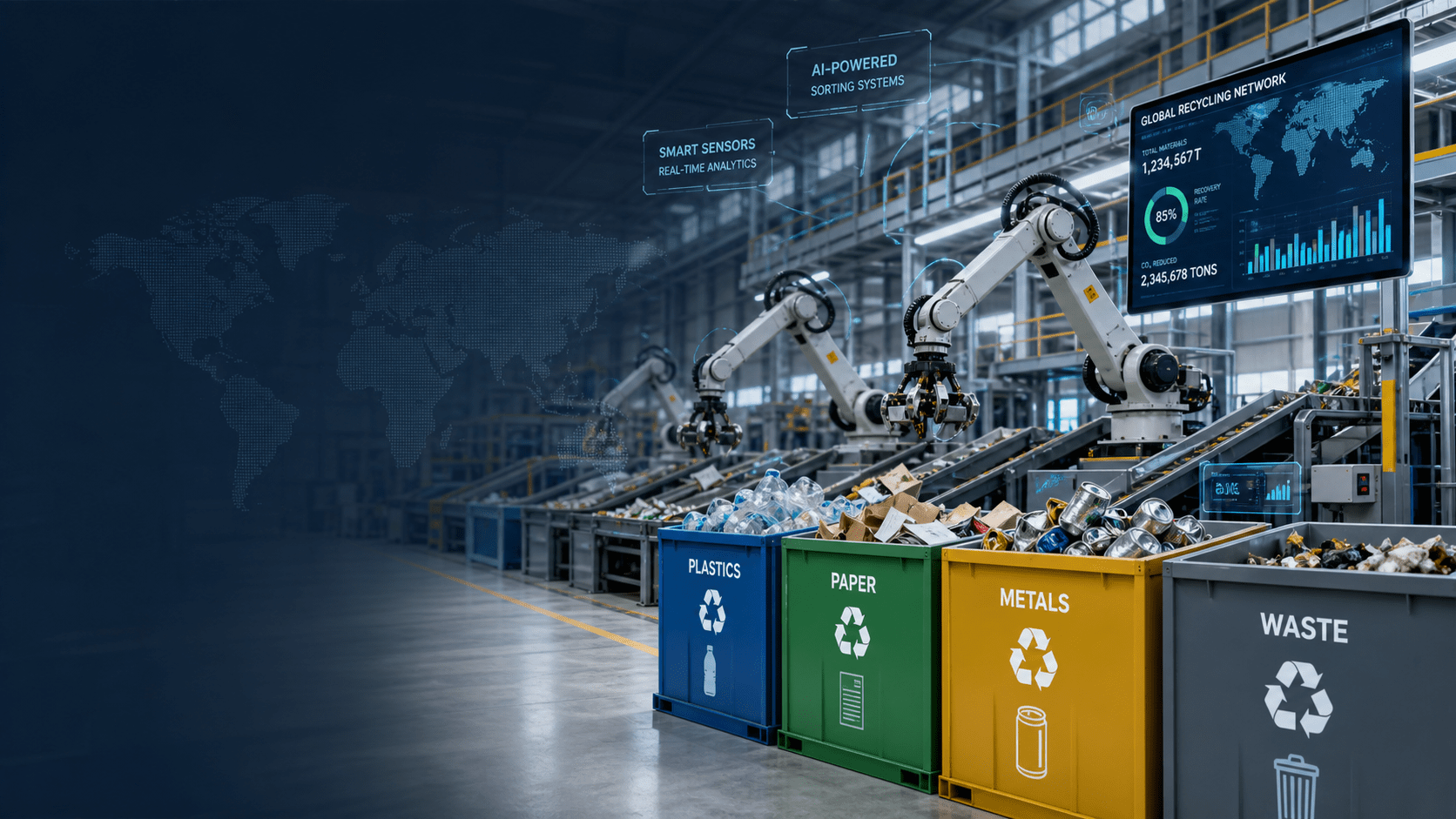
2026 Top 10 Trends in Waste Management
2026 Top 10 Trends inWaste Management Data-driven accountability, smarter technology, and a decisive shift toward treating waste as a resource. The top 10 Global Waste Management Trends in 2026 revolve around data-driven accountability, technology-enabled efficiency, and a decisive push toward treating waste as a resource rather than a liability. 1. AI, Robotics and Smart Waste…